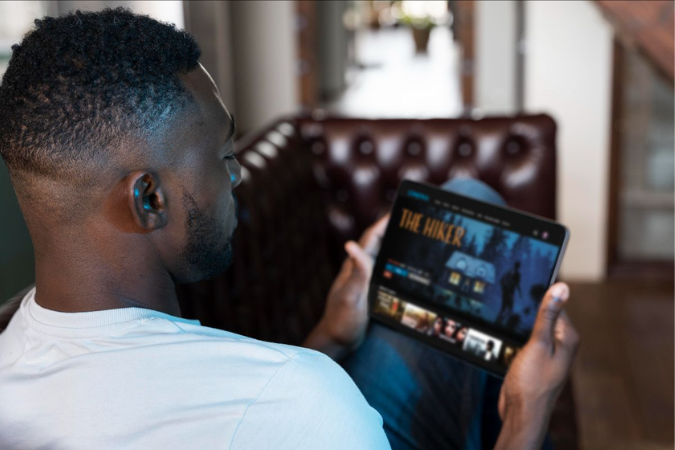
If you’ve been paying attention to the African film space lately, you’ll have noticed a clear trend; streaming platforms are popping up everywhere. In Kenya alone, we’ve seen launches like Baze, Viusasa, My Movies Africa, Vumi, and Airtel TV in the last few years. Elsewhere on the continent, there’s Nigeria’s new EbonyLife ON Plus, and Gabon has even launched a national streaming platform.
It’s an exciting time, but also a crowded one. At LBx, we’ve been talking about what this boom means for filmmakers, audiences, and the industry. Here are some of the questions and observations we’ve been tossing around:
Owning the Value Chain
Many of these platforms are built not just to showcase films but to control as much of the value chain as possible from acquisition to delivery. The idea makes sense on paper: if you own the whole process, you own the audience. But is it that straightforward?
Data and Numbers
When you look at streaming purely as a distribution machine, things get murky. Subscriber numbers often spike only when a major new title is added, and then drop off. And like global platforms before them, many local streamers aren’t open about sharing their viewing data.
Without transparency, it’s hard to know what success really looks like. A recent newsletter by Akoroko also points out that some platforms announce with big ambitions but without clear numbers or strategies, raising questions about sustainability.
Standing Out in a Crowded Market
With so many platforms competing for attention, differentiation is key. Some are trying unique strategies. EbonyLife ON Plus, for example, is using gamification, offering subscribers the chance to win a luxury electric car. Others lean heavily into original productions, like Showmax. We’re also seeing creative pricing models, with Netflix reducing rates in Kenya and Showmax announcing new, lower prices this July.
Akoroko notes that some new players are branding themselves not just as film platforms, but as broader cultural hubs combining film with music, fashion, or lifestyle content. It’s another way to fight for visibility in a noisy market.
The Audience Question
A big part of streaming success is building and nurturing an audience, but not all platforms seem to prioritise this. Some focus on signing up content and getting the platform live, but pay less attention to creating a loyal viewer community. Without that audience connection, even the best content can get lost.
The Akoroko piece also highlights how some platforms position themselves as “pan-African,” but in reality their content or reach is often limited to one country. It raises the question of whether these platforms are truly serving the audiences they claim to represent.
Pricing Challenges
Competing with global giants isn’t easy, especially on price. A local platform might rent a film for KES 200 or sell it for KES 500, but for just KES 300 a month, Kenyan viewers can get a basic Netflix subscription with a vast library. It’s a tough equation to balance.
And it’s not just the new platforms feeling this pinch. Even established players like MultiChoice, with decades of experience and a hybrid pay-TV/streaming model across Africa, are rethinking how they charge.
Recently, they began piloting weekly payment options (starting in Uganda) in response to income levels and broader economic pressures faced by many households across the continent. That kind of adjustment shows just how much pricing models remain a moving target in this market.
The Same Content Pool
For platforms that don’t focus on originals, the race for content can turn into a bidding war. When a film starts generating buzz, multiple platforms can end up chasing it for exclusive rights often from the same pool of titles.
Akoroko goes further to note another gap: many African films that premiere at major festivals (Cannes, Berlin, Sundance, etc.) still don’t land on streaming platforms at all. At the same time, hyperlocal national platforms like Gabon’s La Un Gabonaise focus on domestic titles that rarely travel. Both ends of this spectrum point to missed opportunities in connecting African films to audiences.
Subscriber Fatigue
Streaming isn’t the only thing people are paying for. Music, work tools, and other entertainment subscriptions all compete for the same wallet. This can lead to subscription fatigue and possibly, in the long run, consolidation, content bundling, or even platform takeovers.
Profitability and Survival
Even the biggest names in streaming are under pressure. Netflix and Disney+ have both reported losses in recent years. In response, they’ve merged services (like Hulu with Disney+), adjusted pricing for different regions, or expanded into new content areas.
Closer to home, Airtel TV a once-promising free platform across Africa shut down in late 2024. Its short-lived run underlines the fact that the challenges of survival aren’t limited to global streamers; regional platforms face even steeper odds.
If the leaders are struggling, what does that mean for smaller, local players?
Closing
The boom in African streaming is full of opportunity and full of questions. How sustainable is it? Which platforms will still be here in five years? And how will this shape the way African films reach audiences?
For now, we’re watching, thinking, and learning just like everyone else.